

It’s July, and if you’re still refreshing the IRS refund tracker every morning, you’re not alone. Every year, thousands of taxpayers file on time, expect their refund within a few weeks, and then… nothing. If your tax refund is delayed well past the standard timeline, this guide walks you through exactly why that happens, how to check your status, and what steps to take next.
This article is part of our complete IRS Tax Refunds Hub — bookmark that page for links to every refund-related topic we cover, including refund schedules, tracking tools, and credit-specific delays.
How Long Should an IRS Refund Actually Take?
For most taxpayers, the IRS issues refunds within 21 days of accepting an e-filed return. Paper returns take significantly longer — often four to eight weeks, sometimes more. If you’re past those windows and your refund still hasn’t arrived, it’s reasonable to start investigating.
For a full breakdown of expected timelines by filing method, see our related post: IRS Refund Schedule: When Will Your Money Arrive?
Step 1: Check “Where’s My Refund”
Before doing anything else, check your status using the IRS’s official tools:
- Where’s My Refund? on IRS.gov
- The IRS2Go mobile app
- The automated refund hotline at 800-829-1954
Refund status typically becomes available about 24 hours after e-filing a current-year return, or about four weeks after mailing a paper return. You’ll need your Social Security number (or ITIN), filing status, and the exact refund amount shown on your return.
If you’re unsure how to read your status or what each stage means, our detailed walkthrough covers it step by step: Where Is My Tax Refund? A Complete Status-Check Guide
Step 2: Understand What “Refund Still Processing” Means
If your status shows “processing” or “still being processed,” don’t panic. This is one of the most common statuses taxpayers see, and it usually just means the IRS needs additional time to review your return — it doesn’t automatically mean something is wrong.
The best move at this stage is to keep checking your status periodically rather than filing a second return or calling the IRS immediately, since duplicate filings can actually slow things down further. The IRS will contact you by mail if it needs more information from you.
We go deeper into what triggers extended processing times — and how long is “too long” to wait — in Why Does My Refund Say “Still Processing”? Here’s What It Means.
Common Reasons Your IRS Refund Is Delayed
If your refund hasn’t shown up yet, one of these issues is usually the cause:
- Errors or incomplete information — A missing signature, a math mistake, or income that doesn’t match what your employer reported to the IRS can trigger a manual review.
- Earned Income Tax Credit (EITC) or Additional Child Tax Credit (ACTC) claims — By law, refunds tied to these credits are held until at least mid-February to help prevent fraud, and often aren’t released until late February or March.
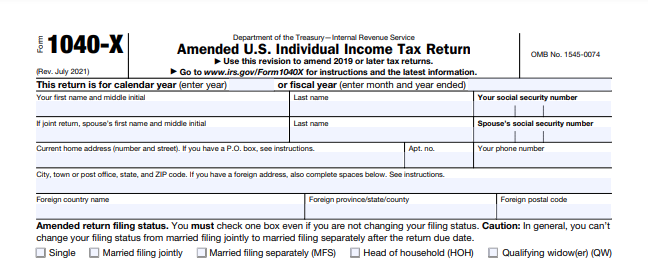
- Amended returns — Because the IRS must compare your original and amended filings, these refunds take considerably longer to process.
- Injured spouse relief requests — These require manual processing by the IRS.
- Identity verification concerns — If the IRS suspects identity theft or fraud tied to your filing, your return may be flagged for extra scrutiny.
- Outstanding debts — Past-due taxes, child support, or federal student loans can result in part or all of your refund being offset.
- Paper filing — Mailed returns simply take longer to enter the system than e-filed ones.
If you recently filed an amendment, read: How Long Does an Amended Tax Return Refund Take?
Step 3: Know When It’s Time to Contact the IRS
In most cases, patience is genuinely your best strategy — but there are situations where reaching out makes sense:
- Your refund status shows it was issued, but it’s been over five business days and the money isn’t in your bank account.
- Where’s My Refund specifically instructs you to contact the IRS.
- It’s been more than 21 days since you e-filed (or six weeks since you mailed a paper return) with no status update at all.
- You received an IRS letter or notice requesting more information — in which case, respond promptly using the instructions provided.
If your refund shows as sent but never arrives, you may need to request a refund trace.
A Note on Paper Checks in 2026
If you requested a paper check, it’s worth knowing that the IRS has largely phased out mailing paper refund checks as of the 2026 filing season, with limited exceptions for taxpayers without banking access or those with certain disabilities. If you fall into that category and haven’t received a check, the IRS may first request direct deposit information from you before issuing payment, which can add to the wait.
Step 4: Watch Out for Refund Scams
Delays can make taxpayers anxious, and scammers know it. The IRS will never call, text, or email you demanding immediate payment or threatening arrest over a refund issue. If you’re contacted this way, it’s a scam. Legitimate correspondence about a refund delay comes by mail.
For a full rundown of current scam tactics targeting taxpayers, see: Common IRS Scams and How to Protect Your Refund
Quick Recap: What to Do Right Now
- Check your status on Where’s My Refund or IRS2Go.
- If it says “processing,” wait — this is normal and doesn’t mean there’s a problem.
- Compare your filing date against the standard 21-day (e-file) or 4–8 week (paper) windows.
- If you claimed EITC or ACTC, expect refunds to begin releasing in late February through March.
- Only call the IRS if the tracker tells you to, if it’s been longer than the standard windows with no update.
- Never respond to unsolicited calls or texts claiming to be about your refund.